
Innovative Applications of Thermal Imaging
- dhartboy
- Oct 4
- 4 min read
Thermal imaging technology has evolved rapidly. It now serves many industries with practical solutions. I will explain how thermal imaging works and explore its innovative uses. This post focuses on real estate, commercial businesses, and infrastructure professionals in South Texas. I will also share actionable tips to help you leverage this technology effectively.
Uses of Thermal Imaging in Real Estate and Commercial Sectors
Thermal imaging detects heat patterns invisible to the naked eye. It captures infrared radiation emitted by objects. This ability makes it valuable for inspecting buildings and equipment.
In real estate, thermal cameras reveal hidden issues such as:
Heat loss through windows and doors
Moisture intrusion behind walls
Electrical faults in wiring and panels
For commercial businesses, thermal imaging helps monitor machinery and HVAC systems. It identifies overheating parts before failure. This reduces downtime and repair costs.
Infrastructure professionals use thermal imaging to inspect bridges, roads, and pipelines. It detects structural weaknesses and leaks early. This improves safety and maintenance planning.
Using thermal imaging in these sectors saves time and money. It also enhances safety by preventing accidents and failures.

What are the applications of thermal imager?
Thermal imagers have broad applications beyond basic inspections. Here are some key examples:
Energy Audits
Thermal imaging identifies energy inefficiencies in buildings. It shows where insulation is missing or damaged. This helps prioritize repairs and upgrades.
Pest Detection
Some pests generate heat or cause temperature changes in structures. Thermal cameras can locate nests or infestations hidden inside walls.
Fire Prevention
Early detection of hot spots in electrical panels or machinery prevents fires. Thermal imaging is used in industrial safety programs.
Water Leak Detection
Moisture changes surface temperature. Thermal imaging spots leaks in roofs, pipes, and HVAC systems without invasive methods.
Security and Surveillance
Thermal cameras detect intruders in low light or obscured conditions. They enhance perimeter security for commercial properties.
Drone Inspections
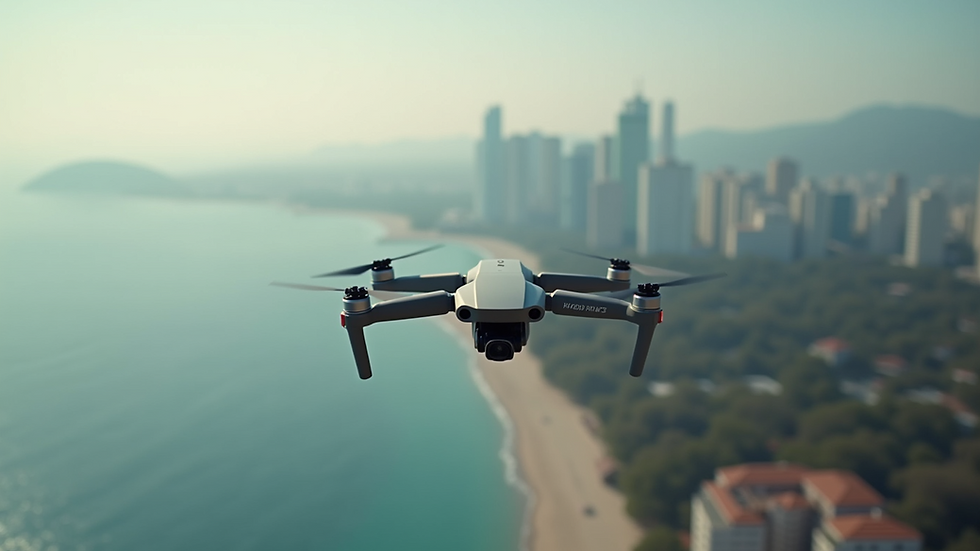
Drones equipped with thermal cameras inspect large or hard-to-reach areas. This is useful for rooftops, solar panels, and infrastructure.
These applications demonstrate the versatility of thermal imagers. They provide non-destructive, real-time insights that improve decision-making.

How to Implement Thermal Imaging Effectively
To get the most from thermal imaging, follow these steps:
Choose the right equipment: Select a thermal camera with suitable resolution and sensitivity for your needs. For example, higher resolution is better for detailed building inspections.
Train your team: Proper training ensures accurate image capture and interpretation. Misreading thermal images can lead to wrong conclusions.
Integrate with other data: Combine thermal images with visual photos and building plans. This provides a complete picture of the issue.
Schedule regular inspections: Routine thermal scans catch problems early. Set inspection intervals based on asset criticality and environment.
Use professional services: Partner with experts who specialize in thermal imaging. They offer advanced analysis and reporting.
By following these guidelines, you can maximize the benefits of thermal imaging technology.
Benefits of Thermal Imaging for South Texas Businesses
South Texas has a unique climate and infrastructure challenges. Thermal imaging offers specific advantages here:
Heat management: The hot climate causes high energy use for cooling. Thermal imaging identifies heat leaks and inefficient systems to reduce costs.
Humidity and moisture control: High humidity increases risk of mold and water damage. Thermal cameras detect moisture early to prevent costly repairs.
Infrastructure monitoring: Aging roads, bridges, and pipelines need constant inspection. Thermal imaging provides fast, accurate condition assessments.
Safety improvements: Early detection of electrical faults and overheating equipment reduces fire hazards.
Enhanced property value: Real estate agents can use thermal imaging reports to demonstrate building quality and maintenance.
These benefits align with the goal of becoming the leading photography and imaging service in South Texas. Offering thermal imaging services adds value for clients in real estate and commercial sectors.

Expanding Thermal Imaging Services with Drones
Drones equipped with thermal cameras are transforming inspections. They provide access to difficult or dangerous locations quickly and safely.
Advantages of drone thermal imaging include:
Speed: Cover large areas in minutes compared to manual inspections.
Safety: Avoid climbing roofs or entering hazardous zones.
Detail: Capture high-resolution thermal images from multiple angles.
Cost-effectiveness: Reduce labor and equipment rental costs.
For South Texas businesses, drone thermal imaging is ideal for:
Roof inspections on commercial buildings
Solar panel performance checks
Pipeline and utility line monitoring
Agricultural crop health analysis
Integrating drone thermal imaging into your service portfolio can attract new clients and increase revenue.
For more information on professional drone thermal imaging services, visit thermal imaging applications.
Final Thoughts on Thermal Imaging Innovation
Thermal imaging is a powerful tool for real estate, commercial, and infrastructure professionals. It uncovers hidden problems, improves safety, and reduces costs. South Texas businesses can benefit greatly by adopting this technology.
Focus on selecting the right equipment, training staff, and using drones for enhanced inspections. These steps will position your business as a leader in advanced imaging solutions.
Stay updated on new thermal imaging developments to maintain a competitive edge. Embrace innovation to meet the growing demand for comprehensive inspection services in South Texas.


Comments